
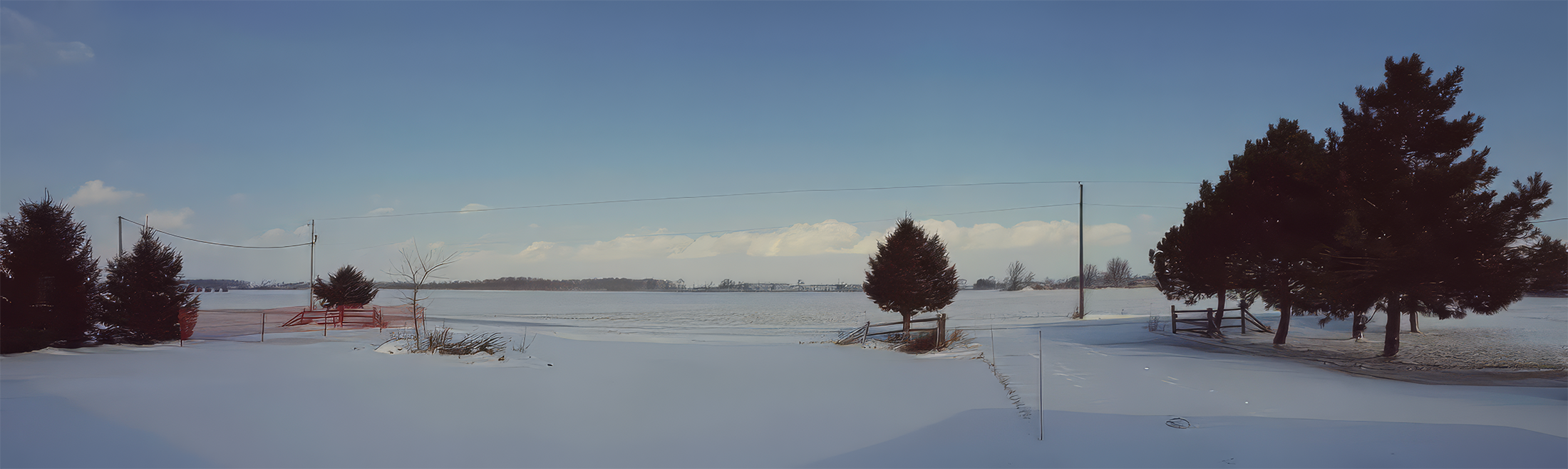
When the temperatures drop in northwest Ohio, your heating system works harder than ever to keep your home comfortable. Even a well-maintained furnace can struggle when it's below zero outside, so it helps to know what you can do around the house to stay warm and avoid unnecessary service calls. Here are a few simple but effective tips from the team at Mauder HVAC to help you through the next cold snap.
1. Override Your Programmable Thermostat
Programmable thermostats are great for everyday energy savings, but during extreme cold, it's better to set your heat manually. Most thermostats have a "HOLD" or "TEMP HOLD" button that lets you lock in a specific temperature. Press "HOLD", then raise your setting a few degrees higher than normal to maintain a steady indoor temperature. This helps reduce large temperature swings and keeps your system running more consistently. If you're not sure how to use the feature, check the thermostat's manual or the manufacturer's website.
2. Don't Expect Your Furnace to Perform Miracles
Even the best furnaces have limits. Most heating systems are designed to maintain about a 70-degree difference between indoor and outdoor temperatures. That means if it's -10°F outside, your furnace might only reach about 60°F indoors when running nonstop. Cranking up the thermostat won't help and may cause unnecessary strain. Instead, layer up, use blankets, and close off unused rooms to make the most of the heat you have.
3. Check and Replace Your Air Filter
Airflow is everything for your furnace. A dirty or clogged filter makes your system work harder and reduces how much warm air reaches your living space. During winter, filters can get dirty faster, especially if your system is running constantly. Check your filter monthly and replace it when it looks dusty or gray. In an emergency, if you can't get a replacement right away, you can temporarily remove a severely clogged filter for short periods—but only if necessary and only until you can install a new one.
4. Keep Snow Away from Furnace Exhaust Pipes
High-efficiency furnaces (90% AFUE or higher) use PVC pipes to bring in fresh air and vent exhaust. These pipes usually exit through a side wall near the ground. After a heavy snowfall, it's common for snowdrifts to block them. When that happens, your furnace's safety system may shut it down to prevent a dangerous situation. If your furnace suddenly stops working, check outside for snow buildup around those pipes. Carefully clear the area and reset power to your furnace by flipping the switch on and off near the unit. If it starts back up, that was likely the cause.
5. Keep Vents and Registers Clear
Blocked vents make it harder for your system to distribute warm air evenly. Check that furniture, rugs, or curtains aren't covering any floor or wall registers. Open all supply and return vents, even in rooms you don't use often—closing them off can cause pressure imbalances and make your furnace less efficient.
6. Consider a Mid-Winter Maintenance Check
If your furnace hasn't been serviced in the past year, cold weather is a good reminder. A professional inspection can catch small issues before they turn into breakdowns. Mauder HVAC offers thorough system checks that include filter inspection, burner cleaning, airflow measurement, and safety testing, so your furnace can perform at its best all winter long.
Stay Warm, Stay Safe
Extreme cold can test even the most reliable heating systems. By taking a few simple precautions, you can help your furnace run efficiently and keep your family comfortable until spring. If your home isn't staying as warm as it should, or if your furnace struggles to keep up, call Mauder HVAC for expert service and honest advice. We've been helping northwest Ohio homeowners stay comfortable for generations.